

Anaerobic Fermentation in coffee process
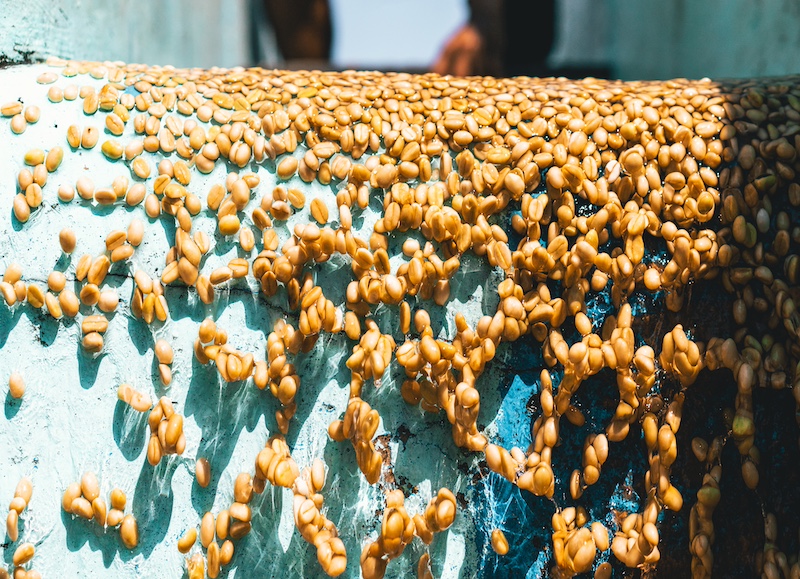
Seal it. Lock out the oxygen. Let the magic happen.
Anaerobic fermentation takes coffee’s natural biological process and places it in a controlled, oxygen-free environment. The coffee is sealed in a low-oxygen container, where CO₂ released by the fermenting fruit displaces the ambient oxygen In practice, within the first few hours, gas pressure builds inside the container, creating zones with varying CO₂ concentrations – which affects how evenly the fermentation progresses across the different layers of cherries. This environment favors different microbial species than those found in open-air settings, and the pressure inside the tank actively pushes the coffee fruit’s flesh into the pores of the bean.
The result? Coffee with distinctive, often dramatic flavors – creamy, juicy, and intensely fruit-forward or wine-like. One reason for this is the accumulation of volatile esters (such as ethyl acetate and isoamyl acetate), which form under anaerobic conditions and contribute tropical fruit aromas, and sometimes subtle “alcoholic” notes that can be measured analytically.
The term ‘anaerobic’ describes just one step in a coffee’s processing journey. Anaerobically fermented coffees are still finished as Washed, Honey, or Natural. That is why you will often see combined processes listed alongside the coffee description – for example, Natural Anaerobic 48h, meaning 48 hours of fermentation followed by sun-drying on raised beds.
The fermentation time itself doesn’t determine the intensity of the flavor profile – the same 48 hours can lead to completely different outcomes depending on the partial pressure of CO₂ and the internal temperature of the container.
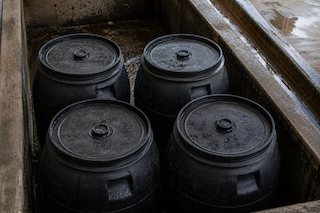
Since anaerobic fermentation requires specialized infrastructure and careful monitoring, these coffees are typically produced as microlots. Tanks are often fitted with one-way valves to safely release CO₂ without allowing oxygen back in. Producers track fermentation progress using pH, Brix levels, temperature, and sensory cues – color, smell, and more.
+ There are no comments
Add yours