

washed coffee process
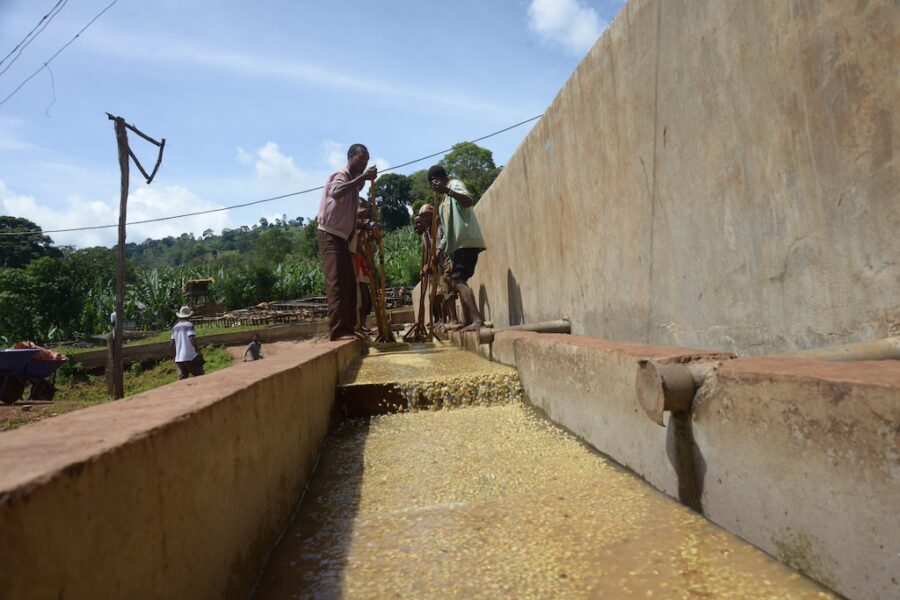
Washed processing makes one thing clear: the bean can stand on its own.
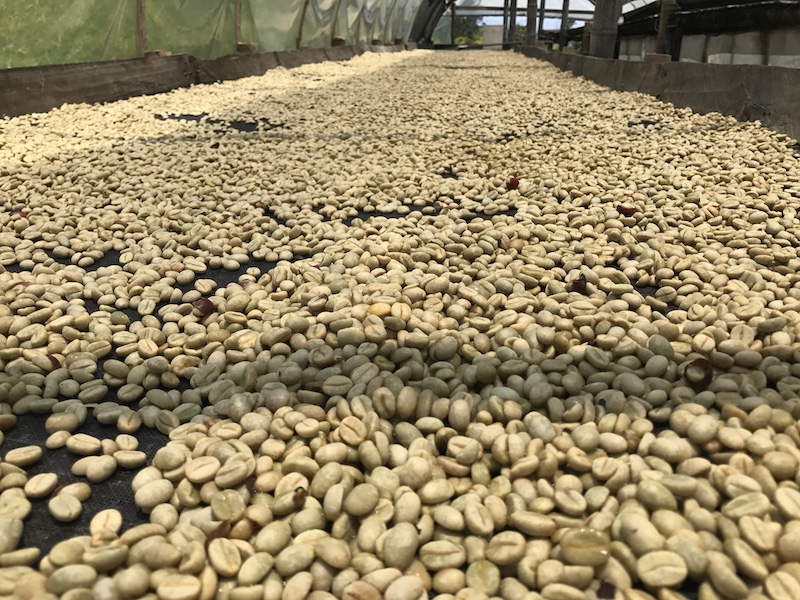
Within 24 hours of harvesting, the skin and mucilage are quickly and thoroughly removed using water. The beans are then placed in fermentation tanks for 12 to 72 hours, during which microorganisms break down the remaining mucilage. Drying follows: either in the sun typically 7 to 15 days on roofs, patios, or raised beds or mechanically for about 18 to 36 hours.
An important note: fermentation doesn’t begin when the beans enter the tank. It begins the moment the cherry is picked and continues as long as fruit matter or sufficient moisture exists, until the beans reach approximately 11% moisture content.
The result? Clean, clear flavors with bright acidity and a gentle sweetness.
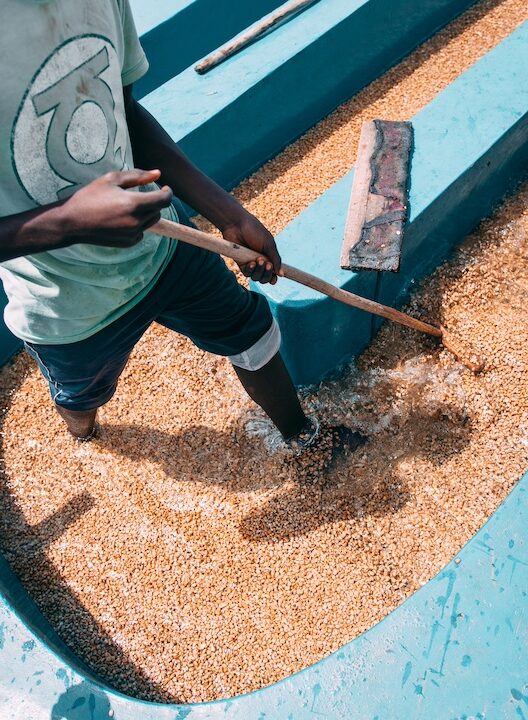
This processing method is dominant across most of Africa and Central and South America. Washed processing is the first choice for growers seeking clarity and consistency in the cup. When done using machines, it is the fastest processing method but also the most water-intensive.
Some growers skip the fermentation tank stage entirely, removing the mucilage immediately after harvesting and moving straight to drying.
The trade-off? A narrower flavor spectrum compared to honey or natural methods – but unmatched precision and consistency. The price reflects this too, and will typically be lower than other processing methods, as washed carries less risk.
+ There are no comments
Add yours