

honey process coffee
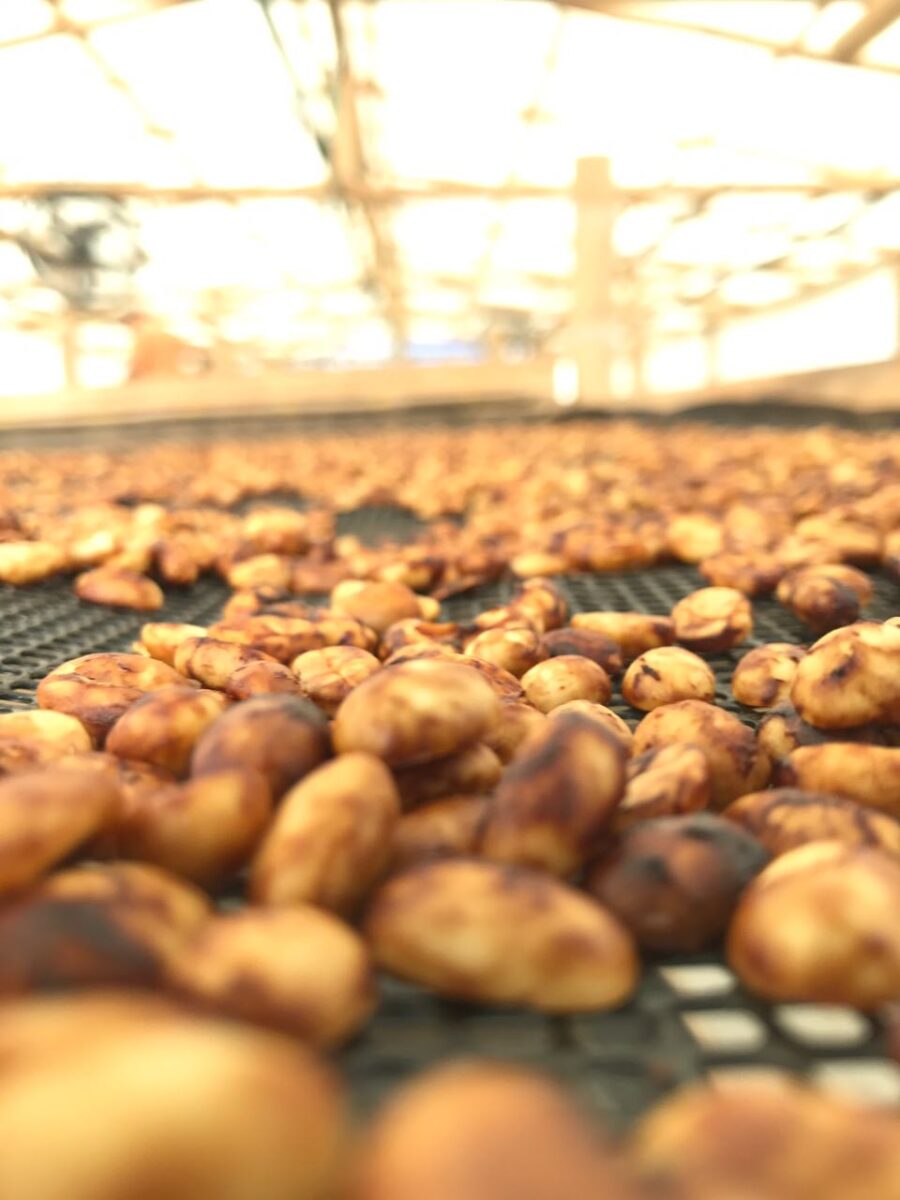
Imagine coating coffee beans in honey and letting them slowly dry in the sun. That’s exactly what happens in the Honey Process just without the minus the actual honey. The name comes from the sticky, golden mucilage left clinging to the bean after the skin is removed.
Within 24 hours of harvesting (often much sooner) the cherry skin is removed, but unlike full washed processing, some or all of the mucilage is left on the bean. What happens next depends on the weather and the farmer’s preferences. Typically, farmers will pile the sticky beans into a heap to encourage continued controlled fermentation and sugar development, then spread them out to dry slowly, a process that usually takes 18 to 25 days. In very humid conditions, however, the beans are often spread out immediately after the cherry skin is removed.
The result? Coffee with high sweetness, rich and juicy.
Born in Costa Rica and now beloved across Central America and Africa, the Honey Process hands producers a remarkably precise flavor dial by adjusting how much mucilage remains:
Yellow / Golden Honey – lightest, closest to Washed
Red Honey – richer, more complexity
Black Honey – deepest, closest to Natural processing
The trade-off? Higher labor demands, longer processing time than the Washed process, and beans that look a little uneven.
+ There are no comments
Add yours